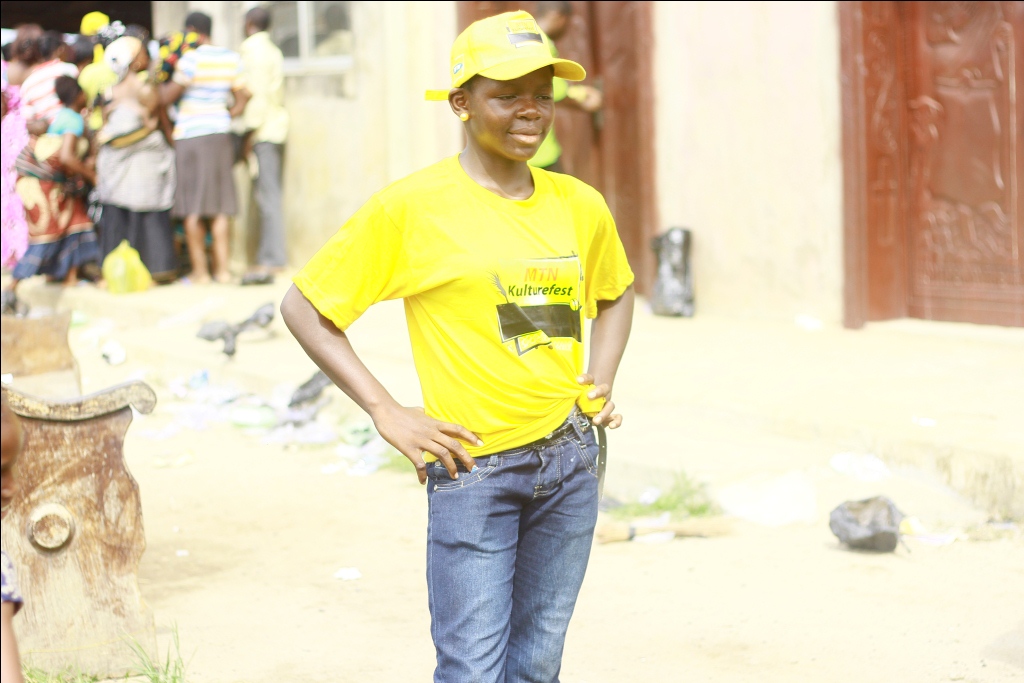
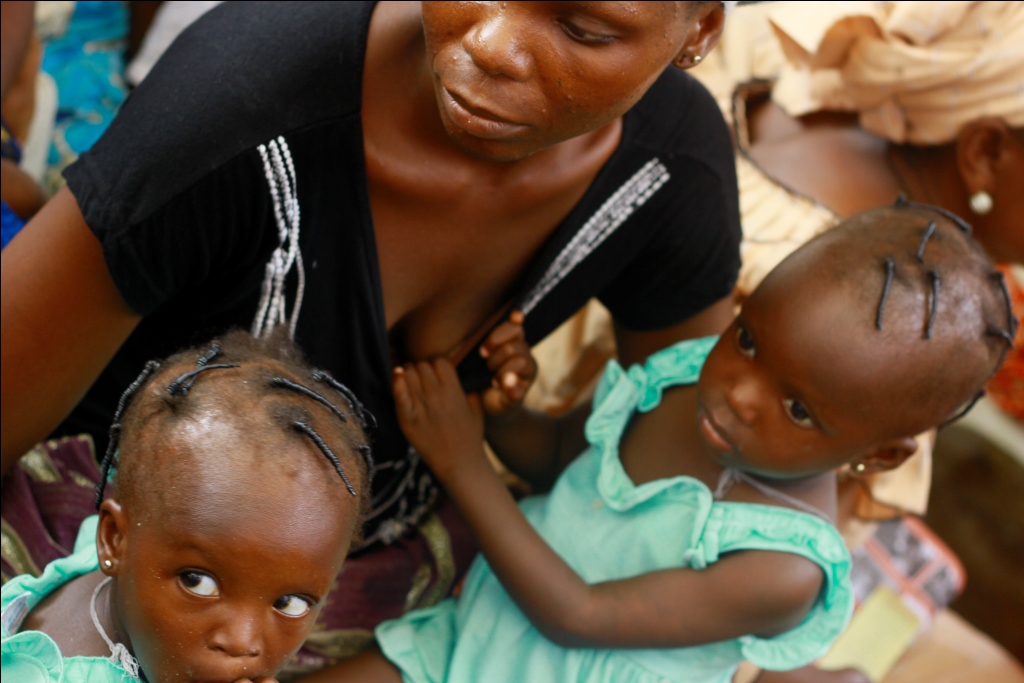
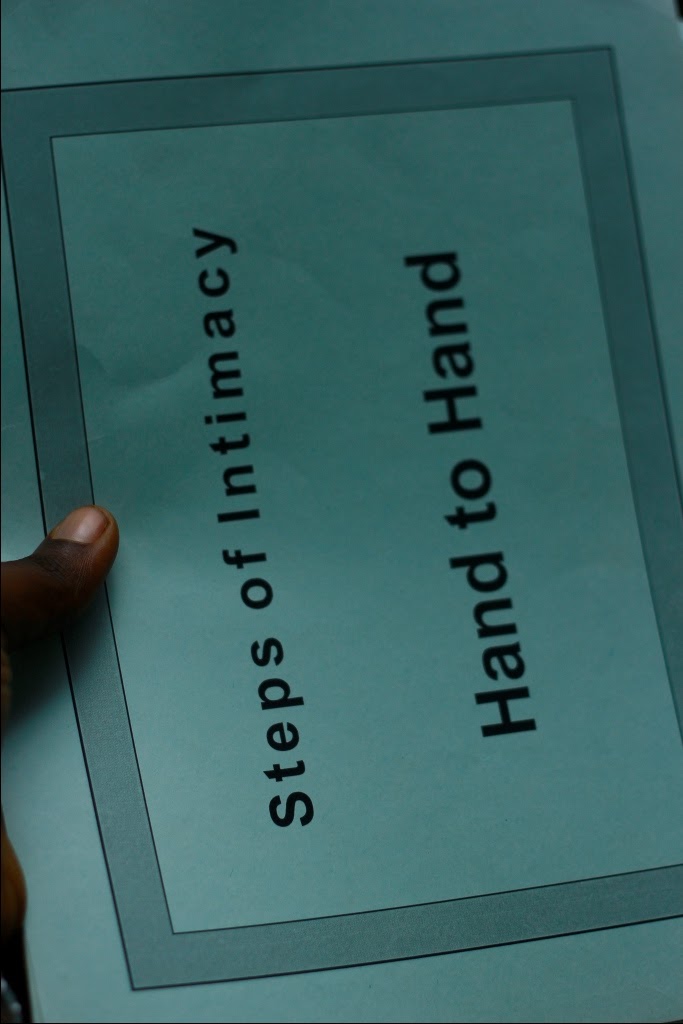
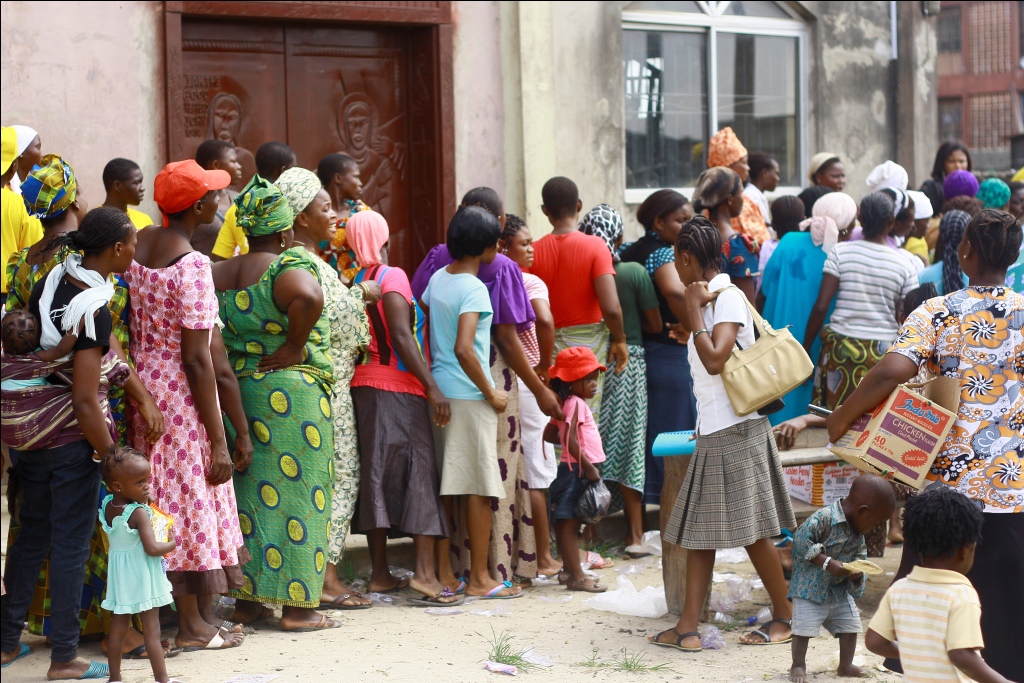
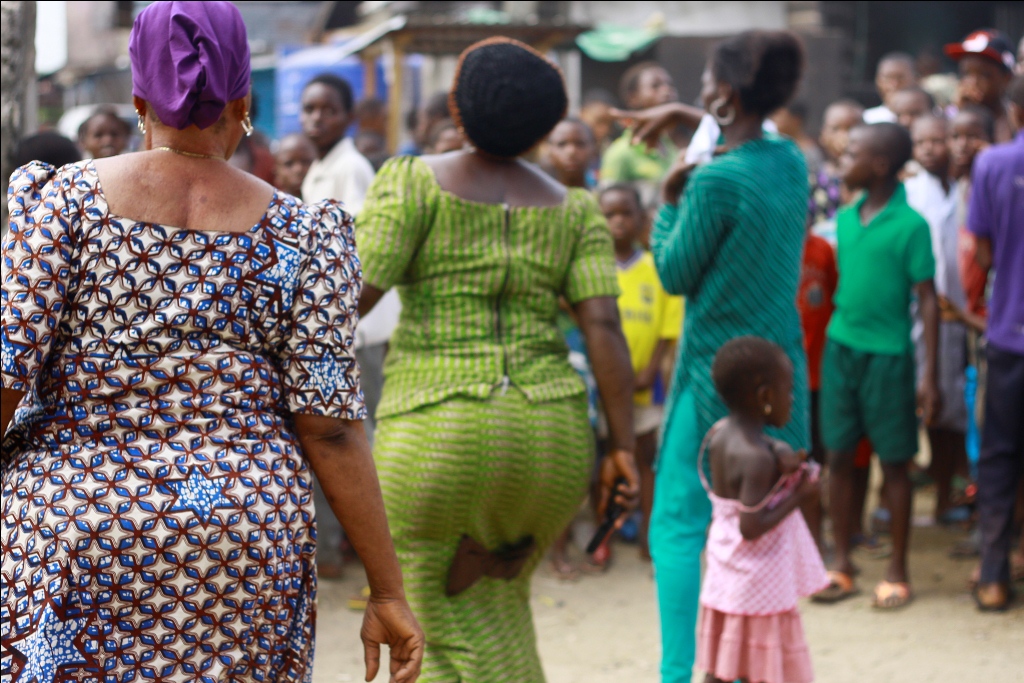
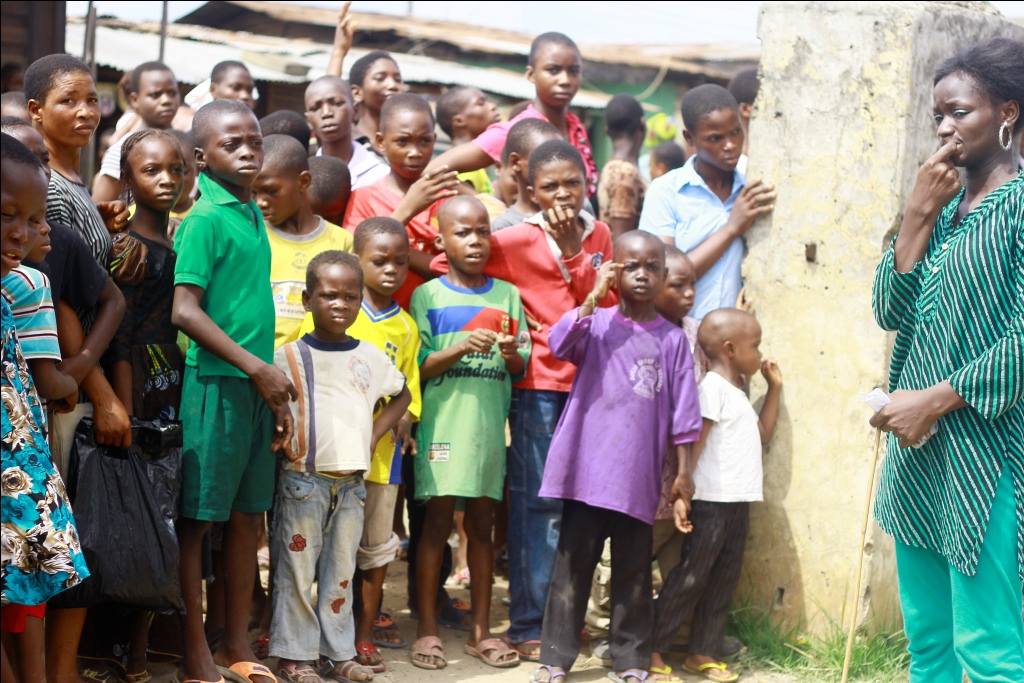
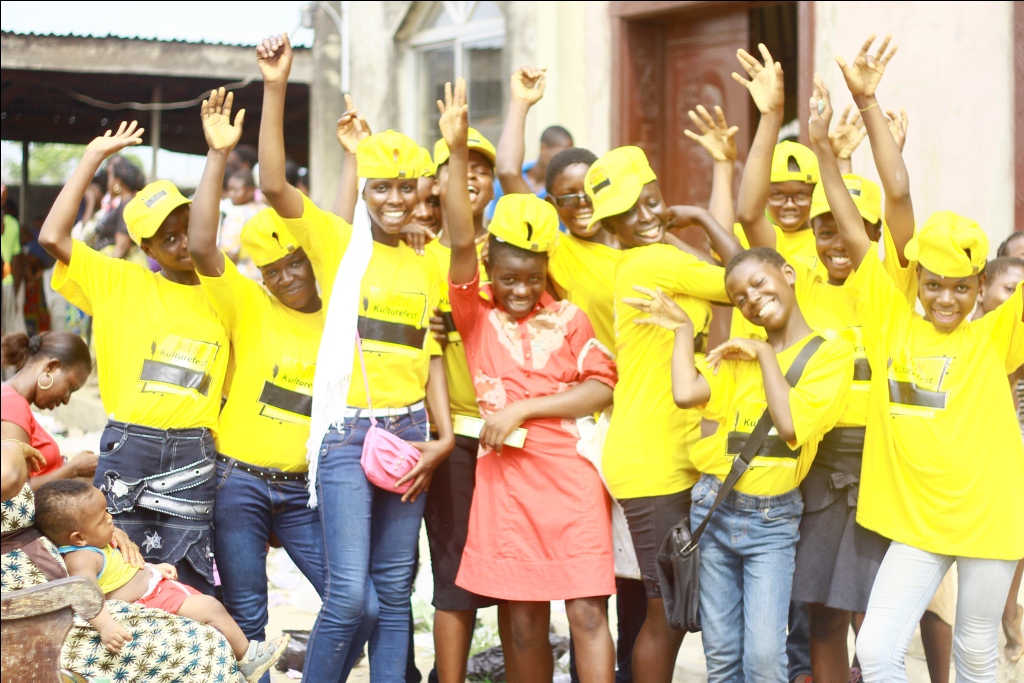
On February 3, 2015, ASHA Empowerment and Development Initiative in collaboration with The Real Woman Foundation organized a community public lecture and outreach in Ajegunle.
Read the Report on Project ASHA's website.

The aim of this blog is to critically appraise Nigerian Social Institutions, whilst professing innovative and creative ways of improved service provision within available resources but most importantly within safe ethical guidelines of social work during intervention, counselling and rehabilitation. Constructive feedback is encouraged - Happy reading!
Showing posts with label Women Empowerment and Gender Inequality. Show all posts
Showing posts with label Women Empowerment and Gender Inequality. Show all posts
Thursday, February 05, 2015

Friday, October 17, 2014
Week of Action Against Domestic Violence in Lagos – Day 4. Outreach to Cairo Market, Mosafejo Market and Oshodi Garage
Gender
activists led by Barr Titilope Akosa went on an outreach to Cairo and Mosafejo market and the Oshodi motor garage yesterday
the 16th of October 2014.
The three
Iya ojas (women leaders) of the markets were a part of these outreaches and participated in the distribution
of fliers and stickers and the dissemination of information on Domestic
Violence.
You can
view the pictures using these hashtage #AADV #LASGAT
Wednesday, October 15, 2014
Week of Action against Domestic Violence in Lagos State: Day 3 – Community Outreach at the Anthony Sport Stadium, Kosofe Local Government, Lagos.
It was
another successful day as the LASGAT team sensitized the community members of
Kosofe Local Government on domestic violence, prevention and early warning
signs. Correct information about family support Police Stations, centres and
organizations providing support and counselling were disseminated.
Some
of those in attendance were the Iya Oja of Anthony Village – Chief Alhaja BB
Balogun; a two time Counsellor of the Kosofe Local government who represented
the Chairman; indigenous women and men from the Yoruba, Fulani, Hausa and Ibo
ethnic groups and young persons.
Interpreters
were engaged, as many of those in attendance did not understand English.
You
can view the pictures using #AADV #LASGAT
Tuesday, October 14, 2014
Lagos State Gender Advocacy Team (LASGAT) Declares Oct 13 – 17 Week of Action against Gender Based Violence

Lagos State no doubt has proved through its people centred laws and projects, that it has the wellbeing of the most vulnerable people among us, namely: women, girls, persons with disabilities at heart. Many of whom suffer gender based violence in the hands of their caregivers. However, there is room for more.
In a press statement issued by the Lagos State Coordinator of LASGAT, Barr. Titilope Akosa, at a media briefing to officially kick start the week, she commended the state government for enacting the Domestic Violence Law in 2007. Continuing, she stated that this law does not fully criminalize domestic violence in absolute terms.
She encouraged all to not loose sight of the significance of this week as it coincides with the celebration of the International Day of the Girl Child with the theme “Ending the Circle of Violence against the Girl Child.
Barr Akosa called on the state to protect the rights of citizens to life and bodily integrity and to ensure that their rights are not violated by stepping up action to strengthen the enforcement of domestic violence law with the following recommendations:
- Adopting and passing into law the sexual offences bill which is currently before the National Assembly;
- Gathering data to enable the quantification of the economic and non-economic cost of domestic violence in the state to enable budgetary allocation needed to fight the scourge;
- Developing policy guidelines that will ensure zero tolerance for trivializing the offences and letting perpetrators go free;
- Giving legal backing to the week of action against domestic violence as an annual event to be celebrated throughout Lagos.
In her closing remarks, she called on the Nigerian government to ensure the safe return of the Chibok Girls as soon as possible.
You can follow this event online via Facebook, and by following the #AADV, #LASGAT.
Monday, December 23, 2013
Every girl needs a Shero
"The problem with our system of formal education is that very
little consideration if any is given at all to out of school teenage
girls. Technology makes it possible for education to come to them – no
matter where they are, at a farm, in their shops, in their backyards or
while nursing their new born.
Social media can be a neutral player when used correctly, out of school teenage girls can get information and learn in an inclusive environment where they are not labeled or made fun of, or dropping out or bullied into conformity."
Every girl needs a Shero
Social media can be a neutral player when used correctly, out of school teenage girls can get information and learn in an inclusive environment where they are not labeled or made fun of, or dropping out or bullied into conformity."
Every girl needs a Shero
Bose Speaks in Death | World Pulse
"*Bose allowed me record our interview for two reasons:
• She needed help urgently and she wanted me to share her voice with anyone who might be able to;
• She wanted other women to learn from her life story, so that they do not to fall victims of the same fate as she did.
In the interview, she tells a story of how her husband made her leave her well paying job immediately after he got a job; how he made her have three abortions while he was making babies with another woman; and how she could no longer have children of her own because of the abortions she’s had."
Bose Speaks in Death | World Pulse
• She needed help urgently and she wanted me to share her voice with anyone who might be able to;
• She wanted other women to learn from her life story, so that they do not to fall victims of the same fate as she did.
In the interview, she tells a story of how her husband made her leave her well paying job immediately after he got a job; how he made her have three abortions while he was making babies with another woman; and how she could no longer have children of her own because of the abortions she’s had."
Bose Speaks in Death | World Pulse
Sunday, November 17, 2013
HACEY; Championing the Rights of the Girl-Child
"Not only did this year’s
international day of the girl-child celebration hosted by Hacey Health
Initiative spotlight the importance of girl-child education and empowerment, it
potentially made an advocate for girl-child education of every girl present!"
http://worldpulse.com/node/78931
Sunday, September 29, 2013
Why Saudi Arabia's Domestic Abuse Law is not Enough
On the 26th
of August 2013, Saudi Arabia adopted a law that criminalizes domestic violence
and abuse.
I commend
this effort, as It is indicative that the government has finally turned its face
towards Saudi women and some of the issues that confront them.
However, I
believe that there is still so much to be done, by the government to
demonstrate its seriousness to see this through.
In a Kingdom where there is still controversy
over women driving; where women have zero participation in politics; where
women need at least six men to accompany them to court or to buy or sell any
property, expecting women to freely come forward and report cases of domestic
abuse is somewhat of a tall order.
How will
these women drive to report these crimes against them?
And will
they need credible men to testify to their legitimacy?
And if
indeed they will need men to corroborate their stories, who will the men be?
Her brothers? Her in-laws? Neighbours? I think it’s highly unlikely.
How will
the issue of ‘honour’ or male guardianship/ownership affect the women who
decide to speak out when abused?
Even in
countries where the political climes are more favorable towards women, there
is still a gap between reports of abuse against women and prosecution of cases
of these abuses.
Often
times, women who report domestic abuse or violence are brow beaten, ostracized
and emotionally blackmailed or even threatened until they withdraw these
charges against their husbands or partners who commit these crimes.
Some rural
women I work with were banned from women groups in their places of worship and
in the community; they were restricted from participating in family traditions
and get-together. Some of them were thrown out of their homes and were
forbidden from seeing their children.
Their
family and in-laws saw them as responsible for the divisions in the family,
they said.
For some of
these women, close knit family ties, social interactions and a cordial
relationship with their in-laws means the world to them. When there is an
unwritten conspiracy against them, for other members of the family and
community not to speak and associate with them because they 'sold their abusive
husbands out' they may become depressed and deeply troubled.
It is even
more difficult because many of these women do not earn their own incomes and
have almost no formal education.
If the
Saudi's government is really serious about putting a stop to domestic abuse, it
must lift existing laws and innuendos
that restrict women’s rights.
It must
empower more women by educating them, employing them, allowing them equal
opportunities as men. Employment rate of 17% for Saudi women as it is now is unacceptable.
Also, there
is need for massive re-orientation and sensitization.
Men who
perpetrate abuse of any kind against women must be called out for what they
are: that they are disturbed and need intervention. When society begins to see
abusers this way, they may be more open to reporting issues of domestic abuse
and abusers, corroborating women’s reports of abuse and helping survivors of
these abuses get back on their feet.
Older women
and mothers must also be targeted says Mama Sunday, a rural woman who lives in
Lagos. Many mothers have told their daughter’s, tales of how they endured severe
beatings by their husbands during the first years of their marriages and how
the beatings have suddenly stopped. They have grown deeply in love with their
former abusive husbands.
That is not
the story mothers or any one especially movie makers should promote.
Stories
that tell the world how these women empowered themselves to end or escape these
abuses are the ones folklore's or oral traditions and entertainment media should
promote!
Thursday, May 23, 2013















Subscribe to:
Posts (Atom)